Home/Kandi ideas
Kandi ideas, a whole panel at a time
Find your next colour story: moonlit flowers, twin koi, bold lettering or a sunset. Browse eight full-panel designs, then explore 22 smaller motifs and bands.
Choose a whole scene
Eight original layouts with backgrounds, borders and room for detail. Every preview is drawn from the beads you can edit.


22 motifs & beginner bands
Simple shapes for a first chart or a small part of your own design.
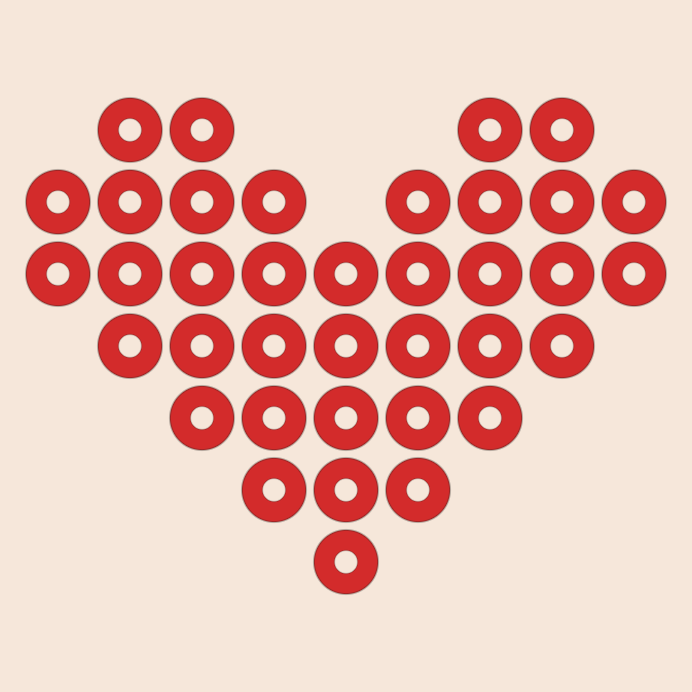
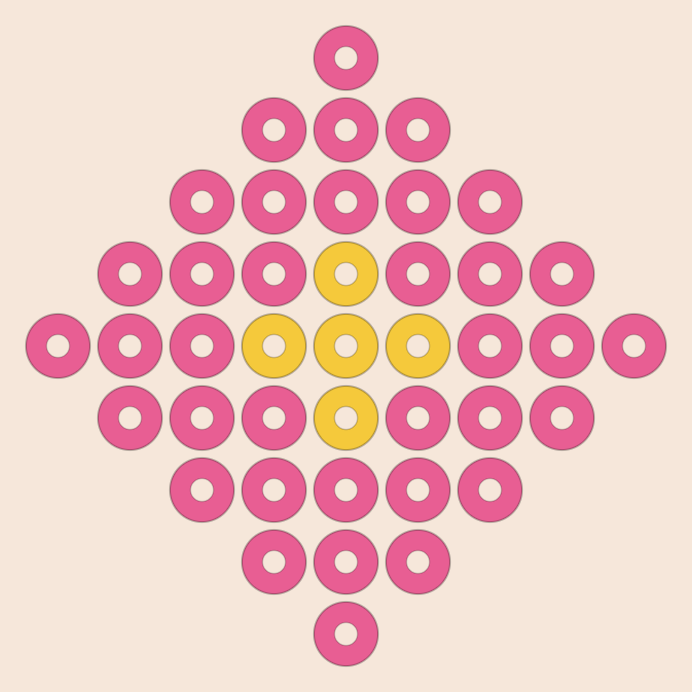
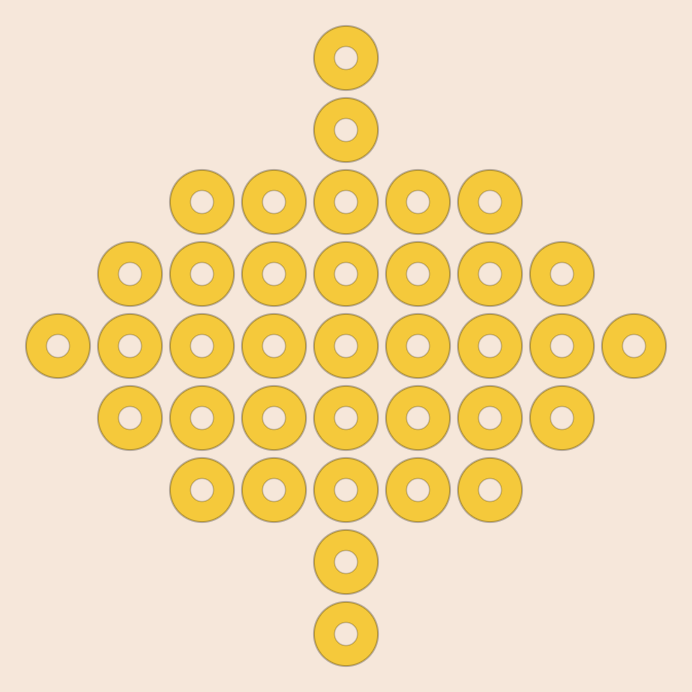
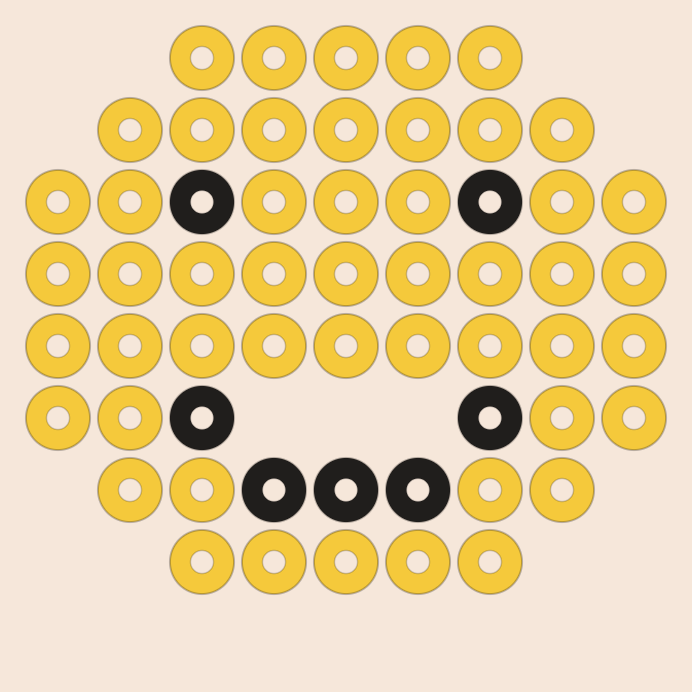
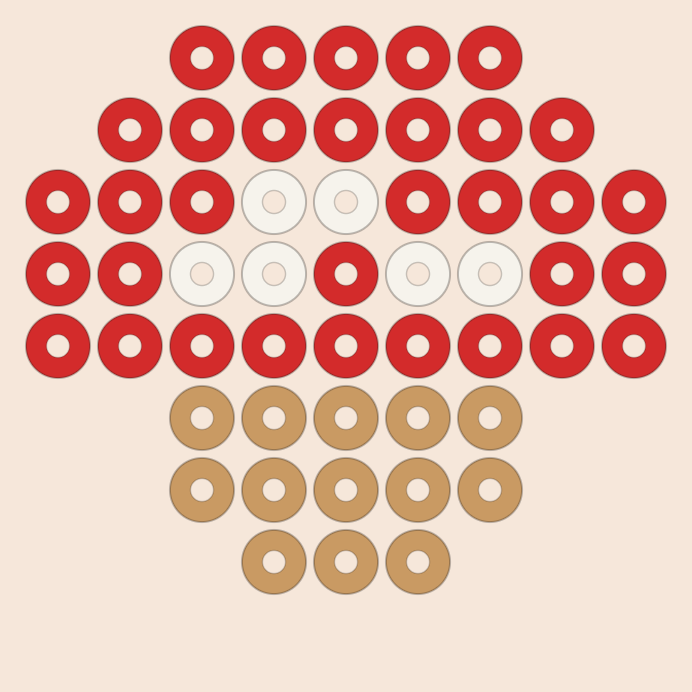
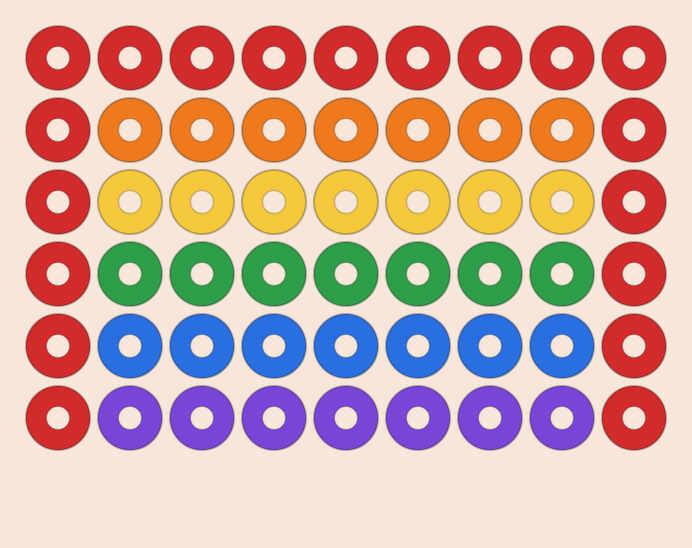
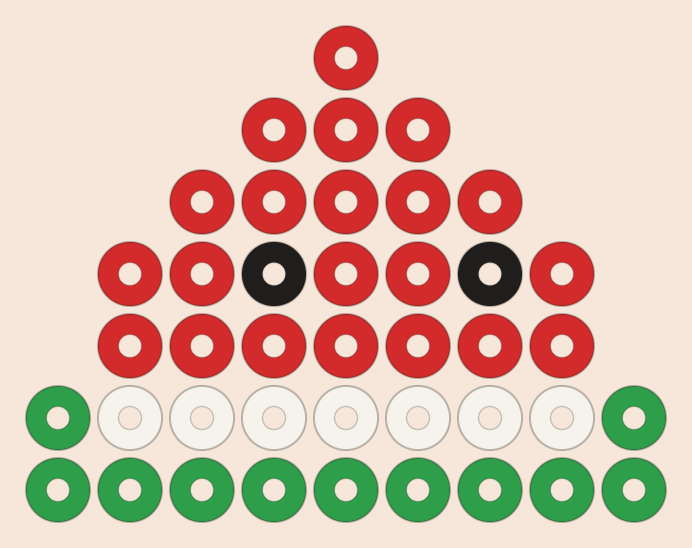
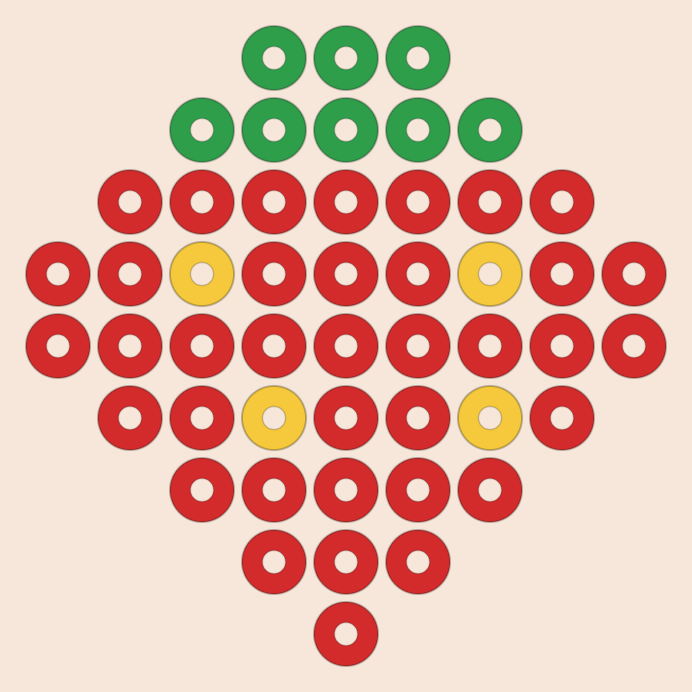
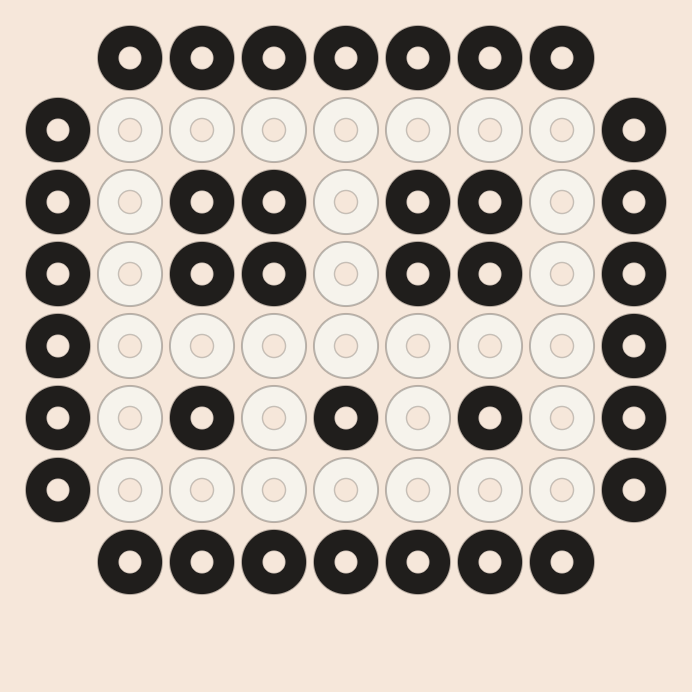
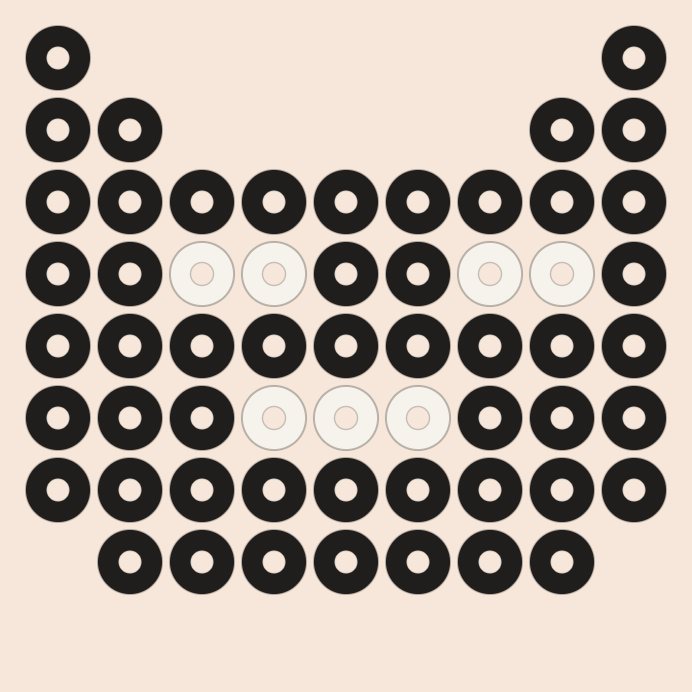
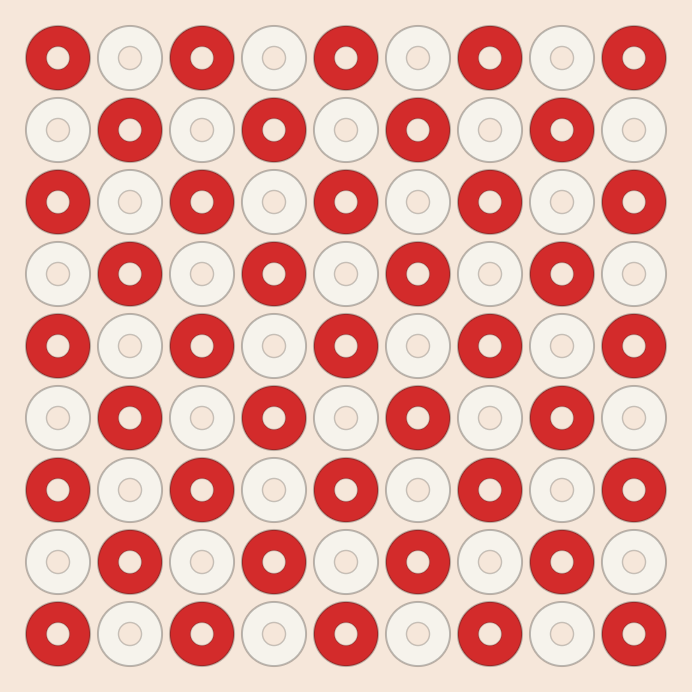
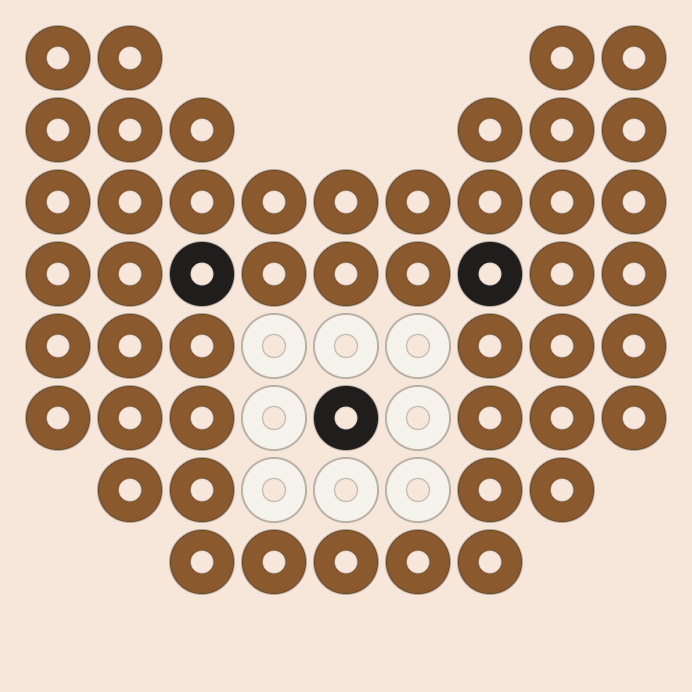
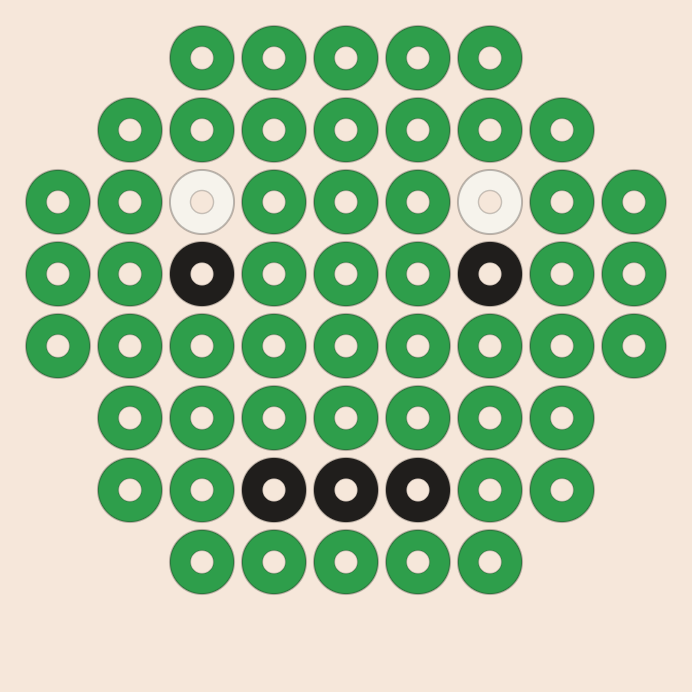
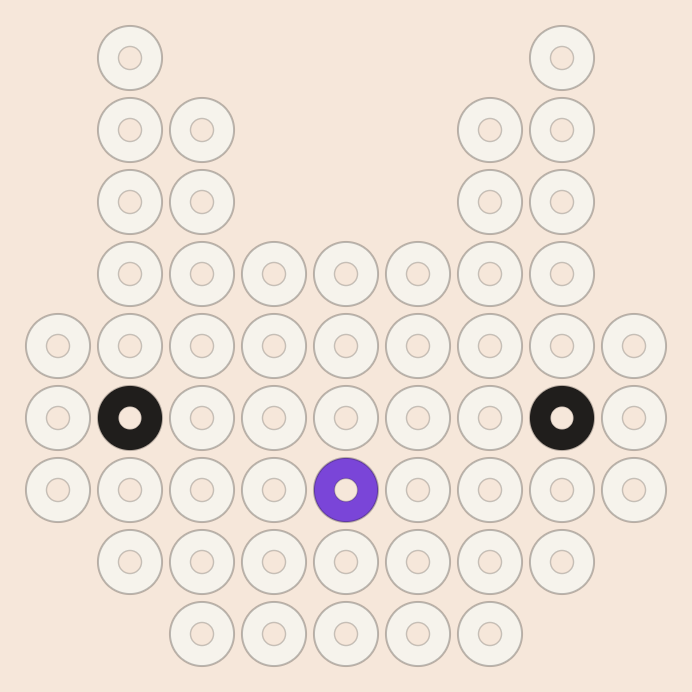
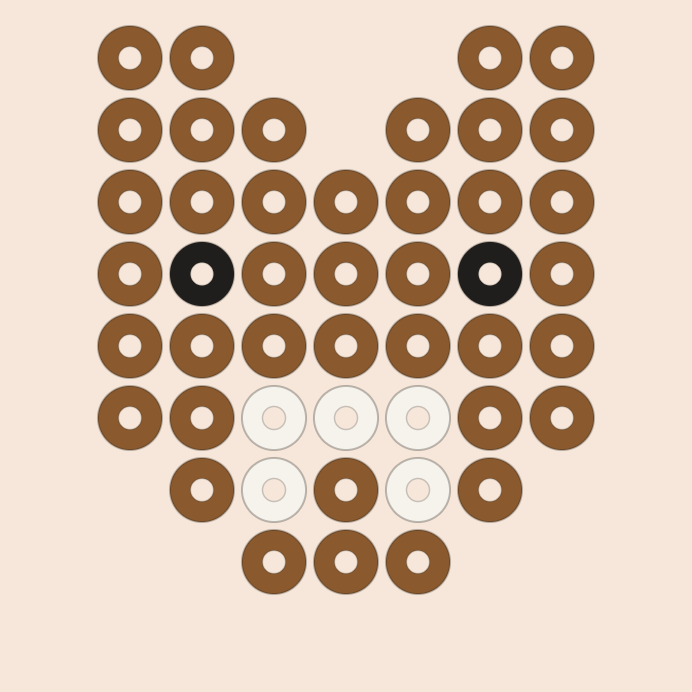
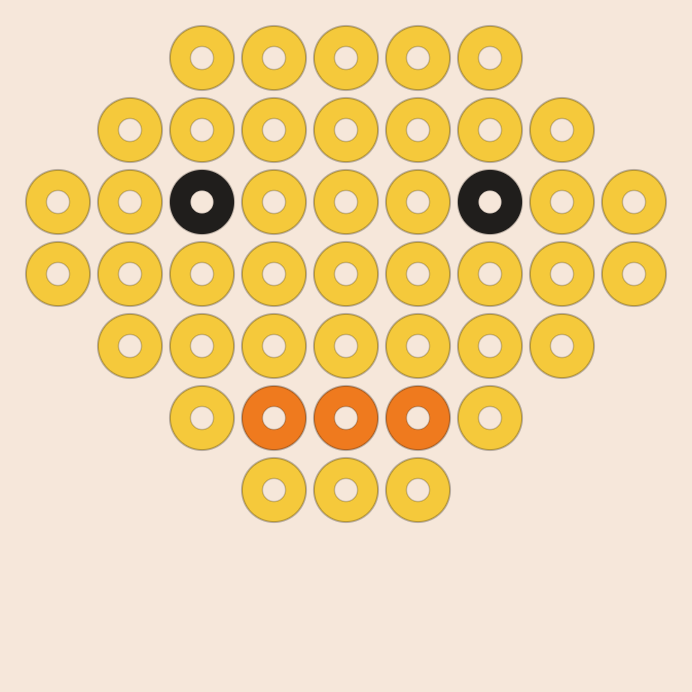
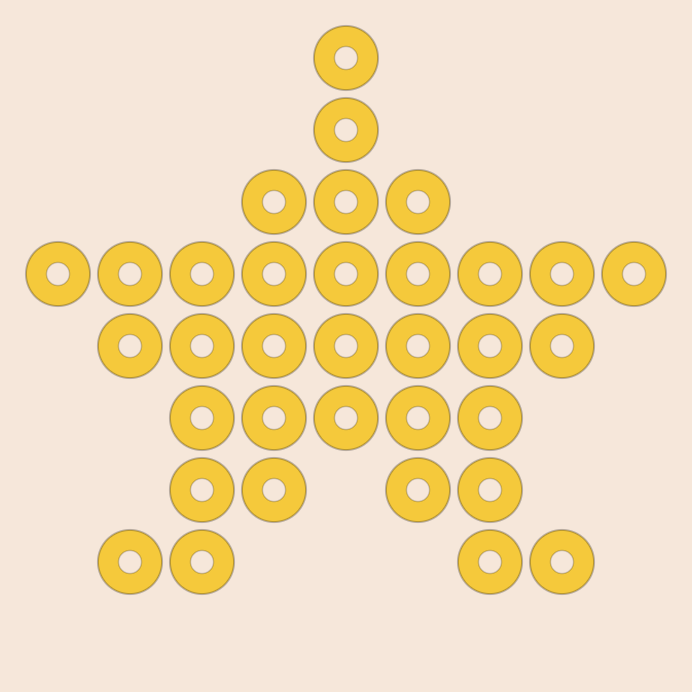
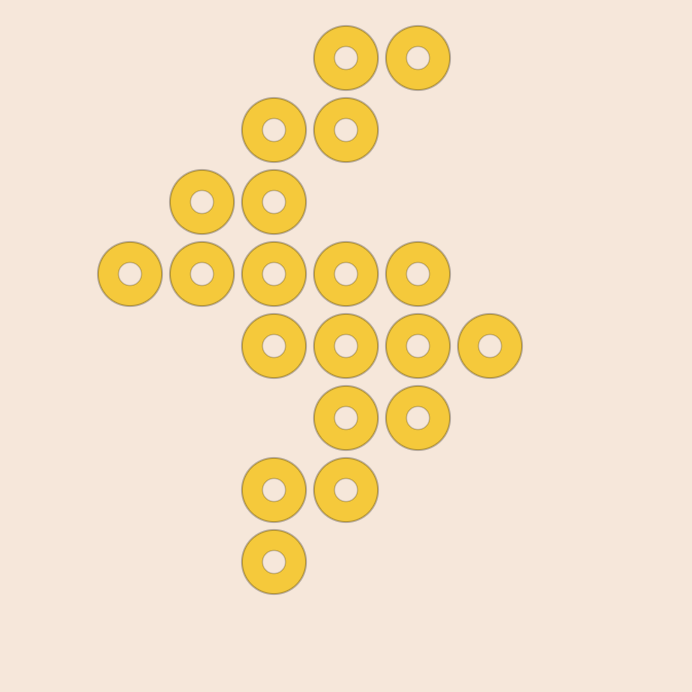
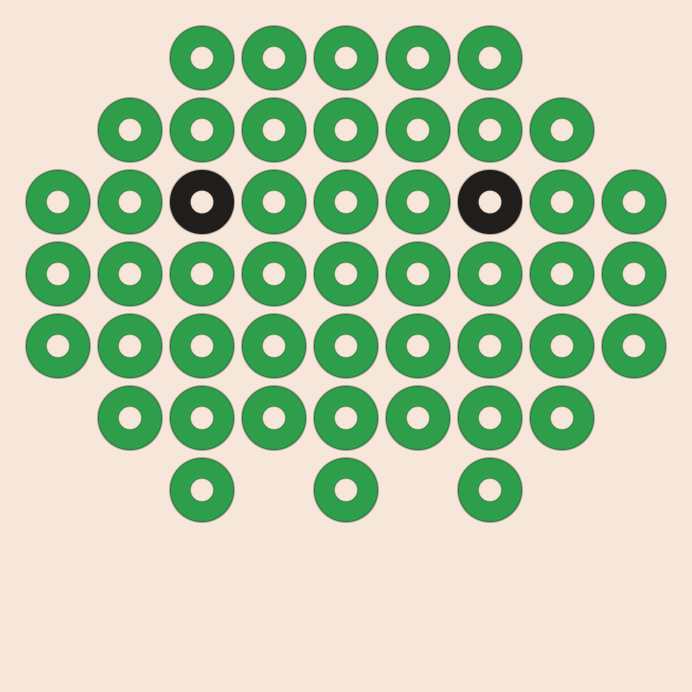
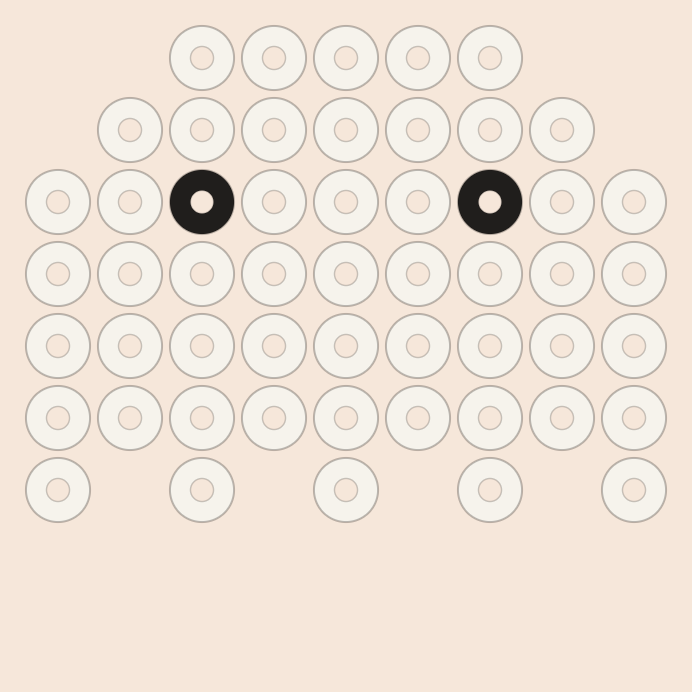
Choose the detail you want to make
The full panels use 40–48 columns and 18–22 rows, with six to eleven colours. Start there for a whole scene. For a smaller project, the single motifs above use fewer positions and a shorter colour list.
Working with a small motif
These small charts use around nine rows of colour positions, not a fixed physical height. At that size you have room for a shape, not a scene. The ideas that survive are the ones with a silhouette you could draw with a thick marker.
Three tips for a small motif
- One subject, filling the frame. A whole person becomes a blob. A face, a fruit, a symbol stays readable.
- Three to five colours. Every extra colour is a bead you have to find mid-row — and a place where two near-identical pinks can wreck the read.
- Outline in a dark bead. Black or navy edges do more for legibility than any amount of internal detail.
For a photo, try 24–32 beads wide first. Increase the width if the eyes, lettering or other details need more room.
A skinny kandi bracelet of five to seven rows is stricter still: pick a seven-row design like the rainbow or the watermelon slice, or a band, and save the faces for a full nine-row cuff.
Swap the palette
Every design on this page is drawn in the 22-colour pony palette. If your stash is neon, open the kandi pattern maker and repaint the beads using the available chart colours. Photo palette settings need a source image; library charts keep their exact cells.
Bead counts
The count under each card covers that entire chart, including its background and borders. Repeating or resizing a chart changes the bead count; check fit with your own materials and stitch.
First cuff?
Start with a beginner design: classic heart, daisy, sparkle, rainbow, checkerboard, duck, five-point star, rainbow bands, polka dots.
Ideas that are easier to generate than to draw
Some things you want on a cuff do not exist as a chart yet. Those are the ones to run through the maker.
Your own art
Scan a doodle, drop it in, and let the tool find the nearest beads. Line art with thick strokes converts almost perfectly.
Band logos and album covers
Crop to the logo mark rather than the whole sleeve. High-contrast marks survive at nine beads; photos of the band do not.
Pet portraits
Use 32 beads wide and dithering on. The eyes and nose carry the likeness; everything else can blur.
Turning an idea into a chart
Each card above opens its full chart, drawn bead by bead with a count for every colour: the kandi patterns library, the kandi cuff patterns or the kandi animals collection. From there one click opens the chart in the maker, ready to recolour by hand or print.
Words instead of pictures? The kandi phrases generator sets a phrase in beads.
New to this? Start with how to make kandi — it covers materials, reading a chart and choosing a separate stitch tutorial.